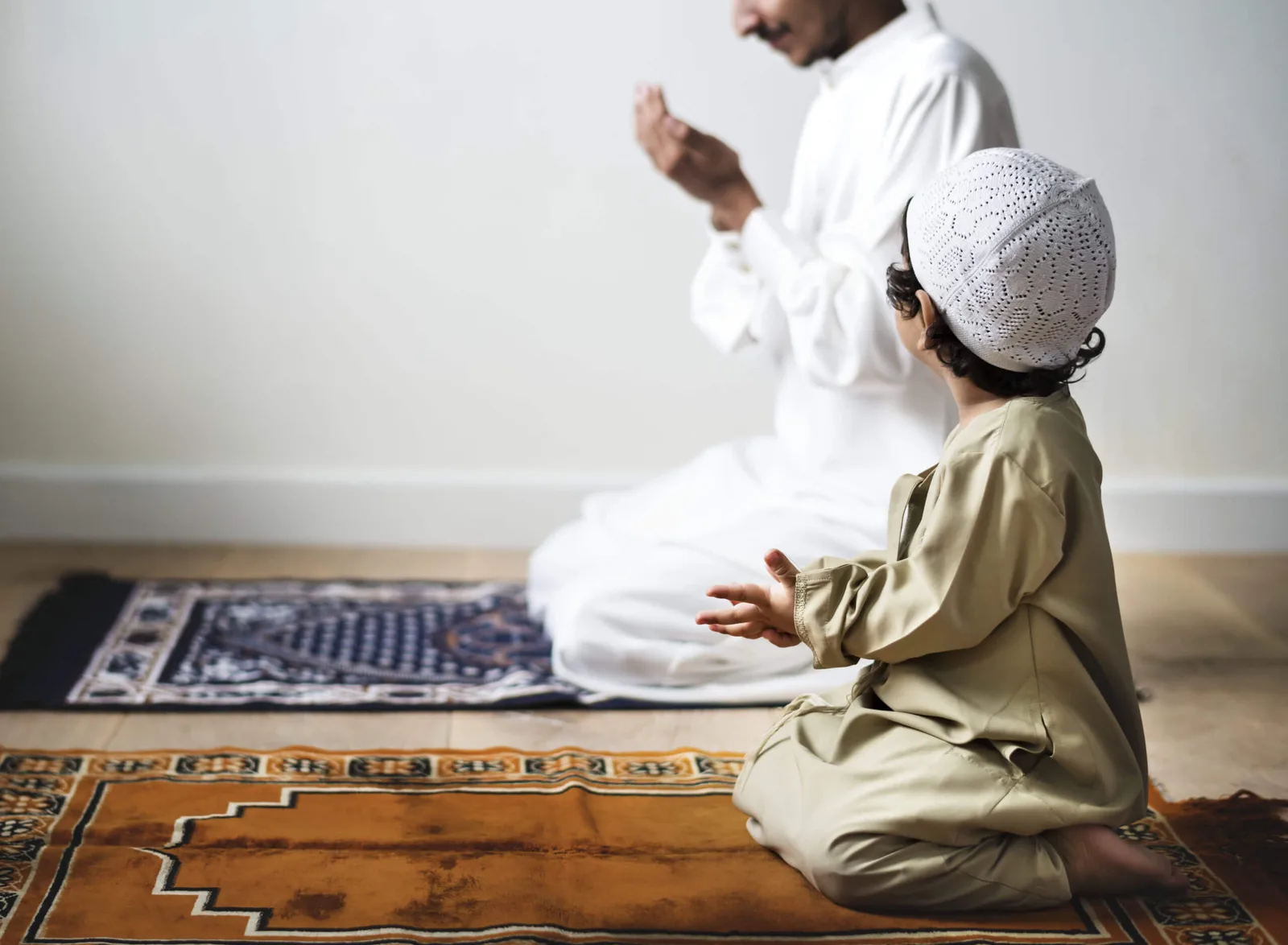
Ramadan is the Islamic holy month, and people who observe it fast each day. Many Australians have heard of Ramadan and fasting, yet have questions about what the month involves.
This article answers seven common ones.
1. What is Ramadan about?
In Islamic practice, Ramadan is a month of mercy, forgiveness and reflection. It marks the time the Quran is believed to have first been revealed, on the night known as Laylat al-Qadr.
For the whole month, people who observe it fast from dawn to sunset. They abstain from food and water, and often add extra prayer, charity and reading of the Quran.
It is also a social season. Families and friends gather, and the month ends with a festival called Eid al-Fitr.
2. How does fasting work?
Fasting in Ramadan is one of the five pillars of Islam. It is expected of adults who are able to fast.
Exemptions are recognised for people who are ill, children below the age of maturity, elderly people, pregnant or nursing women, and travellers. Many people who miss days make them up later.
The fast is about more than food. Many people also avoid smoking and try to avoid swearing, gossip and arguments. Some set aside music and screen time to make room for reflection and helping others.
The purposes are described as spiritual and social. It is a reminder of dependence on God, and of what hunger and thirst feel like, which builds compassion for people in need.
- Suhoor
- the meal eaten before dawn, before the fast begins
- Iftar
- the meal that breaks the fast at sunset
- Eid al-Fitr
- the festival that marks the end of Ramadan
3. What does a day look like?
The day starts before dawn with suhoor. Many people choose filling foods and plenty of water to carry them through the day.
After that, daily life goes on as usual. People go to work, school and appointments while fasting.
At sunset, when the evening prayer is called, the fast is broken. Many families begin iftar with dates and water, then share a meal.
4. What about eating habits?
Some people expect fasting to mean weight loss, but eating habits in the evening and activity levels vary a great deal. For questions about diet or health, a doctor or dietitian is the right source.
5. Why do the dates change every year?
The Islamic calendar is lunar. Each month begins with the sighting of a new moon, so its year is shorter than the Gregorian year used in Australia.
This means Ramadan moves earlier through the seasons from one year to the next. Over time it falls in summer and in winter.
Season matters because day length and heat change how the fast feels. Shorter, cooler days are generally easier than long, hot ones.
Communities also differ on how they decide the start. Some rely on local moon sighting, others on astronomical calculation, so neighbouring groups can begin a day apart.
In places where the sun barely sets in summer, religious scholars have given guidance. Some communities follow the timetable of a nearby country or of Mecca.
6. Do Sunni and Shia traditions observe it differently?
Both traditions fast through the month. The main difference people mention is timing at the end of the day.
Sunni practice is to break the fast at sunset. Shia practice is to wait until the light has left the sky.
Shia communities also commemorate the death of Ali ibn Abi Talib during the month. Sunni communities respect him as one of the four Caliphs but do not mark the day in the same way.
7. How can you support friends and colleagues who observe it?
Many families say a little thoughtfulness goes a long way, especially in a workplace or school where few others observe the month. Some ideas people mention are:
- Learn a little. Many people are glad to answer questions, though not everyone is an expert on every point of practice.
- Avoid asking why someone is not fasting. There are many private reasons, and the question can feel intrusive.
- Eat as usual. Fasting is about self-control, so there is no need to hide food, though some people avoid eating in front of fasting children.
- Invite someone to iftar if you can. It is much like hosting a dinner, and it helps to ask the guest about any food needs first.
- Offer a greeting. “Ramadan Mubarak” at the start of the month and “Eid Mubarak” at the festival are warmly received.
- Join in if you wish. Some colleagues fast for a day in solidarity, which is a personal choice and never expected.
Above all, there is no need to feel awkward about asking a respectful question. Curiosity, offered kindly, is usually welcome.
Sources and dates
Every figure above comes from one of these, read on the date shown. If a source has moved on, the article is reviewed again.