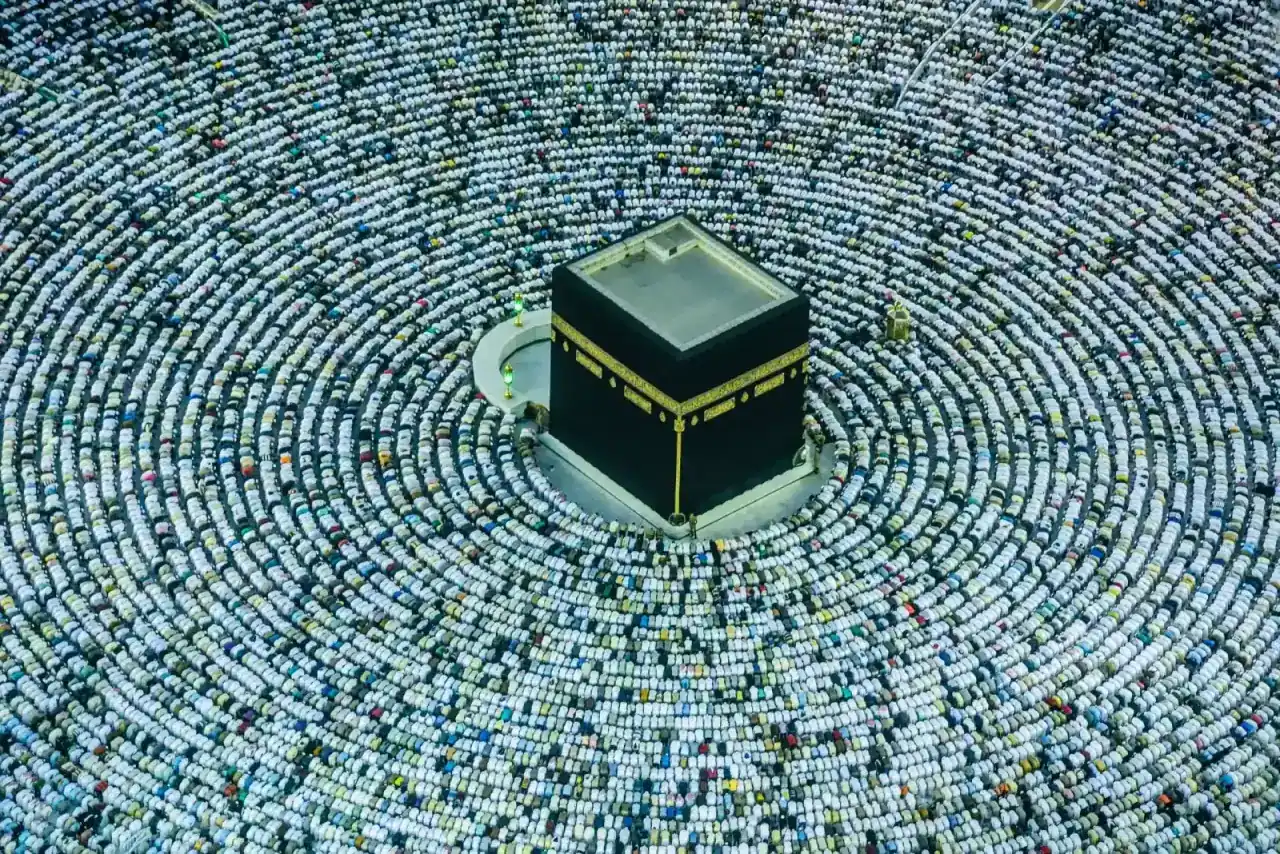
Dhul Hijjah is the twelfth and last month of the Islamic lunar calendar. It is the month in which the annual Hajj pilgrimage takes place in Mecca, Saudi Arabia.
Many families in Australia mark it with extra worship, giving and time together. This article explains the main parts of the month.
- Hajj
- the annual pilgrimage to Mecca, one of the five pillars of Islam
- Eid al-Adha
- the Festival of Sacrifice, held on the tenth day of Dhul Hijjah
- Qurbani
- the sacrifice of an animal during Eid al-Adha, also called Udhiyah
- Takbeer
- the proclamation “Allahu Akbar”, meaning “God is the Greatest”
The first ten days
In Islamic tradition, the first ten days of Dhul Hijjah are among the most significant days of the year. They include the Day of Arafah on the ninth day and Eid al-Adha on the tenth.
Many people use these days for extra prayer, reading the Quran, remembrance of God, fasting and giving to others.
Because the calendar follows the moon, the dates move earlier each year on the Gregorian calendar. The start of the month depends on the sighting of the new moon.
Hajj pilgrimage
Hajj takes place in Dhul Hijjah. Each year, pilgrims from around the world travel to Mecca to perform a set of rituals.
In Islamic teaching, Hajj is a duty once in a lifetime for those who are physically and financially able to make the journey.
The rituals recall the actions of the Prophet Muhammad and the Prophet Ibrahim. Pilgrims describe the journey as a time of repentance, purification and renewal.
The Day of Arafah
The ninth day of the month is the Day of Arafah. Pilgrims gather on the plain of Arafah to pray, make supplication and ask for forgiveness.
People who are not on Hajj often fast on this day. In Islamic tradition, it is regarded as a day of sincere prayer and repentance.
Eid al-Adha
Eid al-Adha begins on the tenth day. It recalls the willingness of the Prophet Ibrahim to sacrifice his son in obedience to God.
People who are not on Hajj usually start the day with the Eid prayer. They then share meals with family and friends.
Many also take part in Qurbani, offering an animal such as a sheep, goat or cow in remembrance of that act of obedience.
Takbeer
Many people recite the Takbeer, saying “Allahu Akbar”, from the start of Dhul Hijjah until about the thirteenth day. It is a way of praising God and expressing gratitude.
In Islamic tradition, it also marks the arrival of days that are regarded as blessed.
Voluntary fasting
Many people choose to fast voluntarily on some or all of the first nine days of the month. In Islamic teaching, fasting is not observed on the day of Eid itself.
Fasting is a personal choice. People weigh it against their health, work and family, and some seek guidance from their own scholar or imam.
Charity and good deeds
In Islamic tradition, Dhul Hijjah is one of the sacred months, and many people give more to charity and look out for those in need.
- Giving money or food to people in need.
- Visiting relatives, neighbours and friends.
- Volunteering with a local community group or charity.
- Teaching children the meaning of generosity.
Qurbani
Qurbani is the offering of an animal during Eid al-Adha. The meat is traditionally shared, with a portion going to people in need.
Families in Australia often arrange Qurbani through a charity that carries it out on their behalf, locally or overseas. Rules on who gives, and how, vary between schools of thought.
Anyone with a question about their own situation can ask a qualified scholar or imam.
Other acts of worship
People often add to their usual worship during these days.
- Extra voluntary prayers.
- Reciting and reflecting on the Quran.
- Dhikr, the remembrance of God.
- Seeking forgiveness and making supplication.
Reflection and renewal
Dhul Hijjah is also a time for reflection. Many people think about their faith, their habits and their relationships.
The story of the Prophet Ibrahim and his family is often a starting point. It is retold as an example of patience, trust, sacrifice and compassion.
In short
Dhul Hijjah brings together Hajj, the Day of Arafah and Eid al-Adha. For many families, it is a month of worship, giving and gathering.
Sources and dates
Every figure above comes from one of these, read on the date shown. If a source has moved on, the article is reviewed again.