Moving into a new home is a milestone for any family. In Islamic practice, it is also an occasion for gratitude, prayer and hospitality.
- Dua
- a personal prayer or supplication
- Dhikr
- remembrance of God, often through repeated phrases
- Wakeerah
- a feast held to mark a happy occasion, such as acquiring a new home
Giving thanks
Gratitude is a central theme in Islamic teaching. Many families begin by thanking God for the home, often with the phrase “Alhamdulillah”, which means “praise be to God”.
The idea is that a home is a blessing to be received with humility. Some families mark the day quietly, with a short prayer together before they unpack.
Reciting a dua on entering
Some families say a dua of protection when first walking in. One asks for refuge in the perfect words of God from the harm of what He has created.
Many families also say “Bismillah” when they enter, close the doors at night and switch off the lights. The practice is simple and can be repeated daily, in any home, not only a new one.
Making the home a place of worship
In Islamic practice, a home is meant to be lived in with remembrance, not only with comfort. Families often describe a few habits that set that tone.
- Praying some voluntary prayers at home, so the house is not left empty of worship.
- Reciting the Quran in the home, including chapters such as Surah Al-Baqarah.
- Making dhikr during the day, and saying Bismillah when closing doors and windows.
- Views differ on how to decorate the home, so families follow their own scholars.
Guarding the home against envy
Many families believe that admiration of a new home can, without a prayer attached, bring envy or the “evil eye”. Islamic sources discuss envy as a real harm to be avoided, including from people close to you.
Common practice is to say “Masha Allah” when admiring a home, a child or a success. This acknowledges that the blessing comes from God.
Families also recite short chapters of the Quran for protection, such as Al-Fatiha, Al-Falaq and An-Nas, along with Ayatul Kursi.
Inviting people over
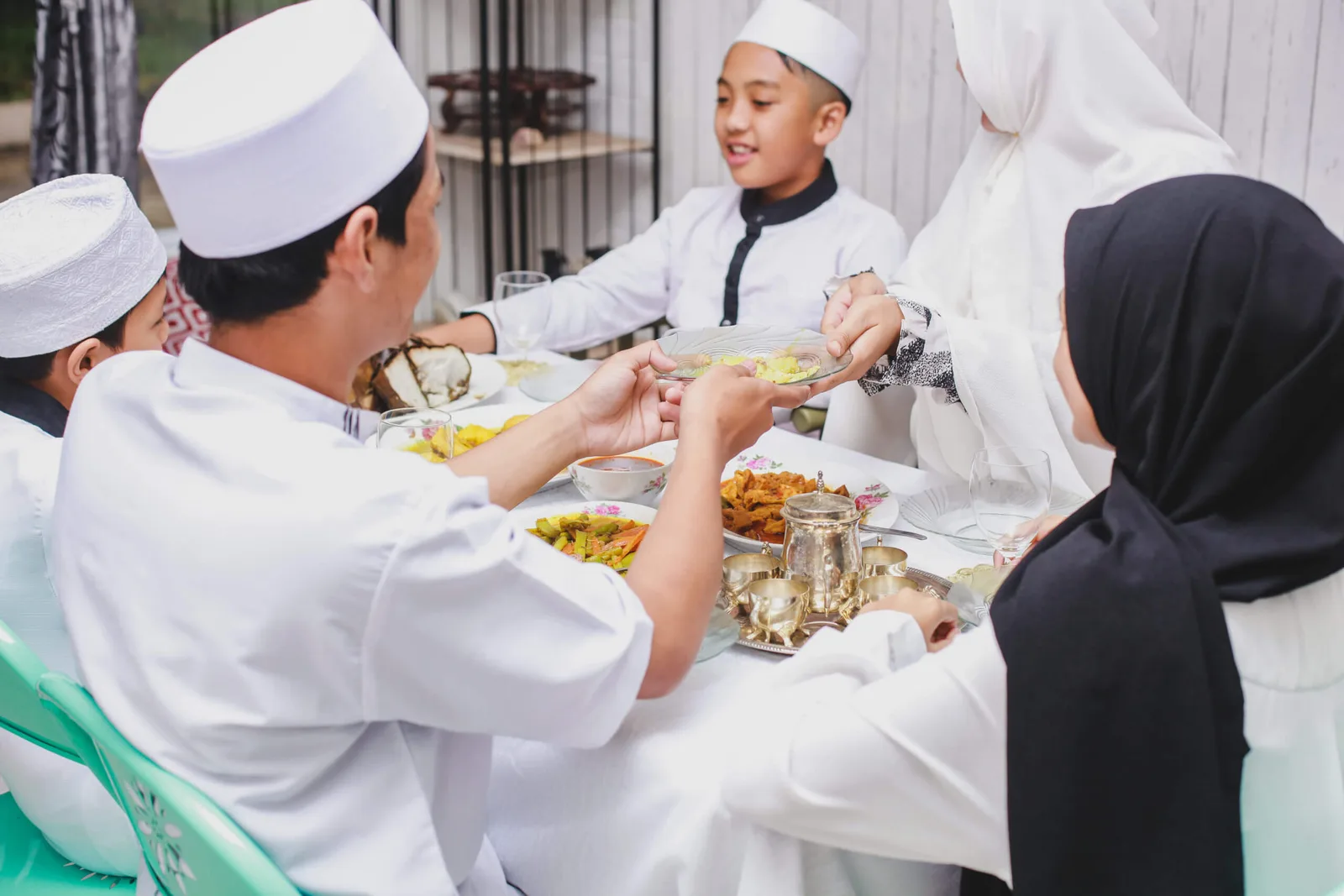
Hosting a meal is a way of sharing a blessing, and it is a long-standing custom. Some families hold a feast for the occasion, known as Wakeerah.
In practice this can be as simple or as large as the family wishes. A few things families often think about:
- Inviting relatives, neighbours and friends, including those who may have less than you.
- Serving food that suits the guests, with attention to dietary needs.
- Keeping the gathering within the family’s means. Hospitality does not depend on cost.
- Welcoming neighbours early. A good relationship with them is valued in Islamic teaching.
Note
A housewarming does not have to be on the first day. Many families wait until they have settled in, so the gathering is relaxed.
Customs without a basis
Some communities have local customs around entering a new home, such as placing a copy of the Quran at the door on the first day. Scholars differ on whether such customs have a basis in Islamic sources.
Scholars differ on how to treat such customs. Some separate what Islamic sources describe from what tradition has added. Others treat customs as a matter of family or culture.
If you are unsure whether a custom is part of Islamic practice, a trusted scholar can explain the reasoning. Families often find that the simple acts, gratitude, prayer and hospitality, matter most.
A note on the practical side
Moving day also brings practical tasks, such as connecting utilities, updating your address and meeting your neighbours. Many families keep a short list so the day stays calm.
The spiritual side and the practical side are not in competition. A few minutes of prayer on the first evening can sit alongside unpacking the kitchen.
Sources and dates
Every figure above comes from one of these, read on the date shown. If a source has moved on, the article is reviewed again.